
Today’s Appvent entry comes from Jérôme Nogues, a respected educator and EdTech consultant who brings both classroom credibility and pedagogical clarity to his work with AI. Jérôme is the founder of the Poésíæ and Poésíært international language learning competitions, a Global EdTech Awards judge, and a regular contributor to professional dialogue through his YouTube channel and conference work. He shares generously, challenges assumptions thoughtfully and always keeps learning front and centre. You can connect with Jérôme on LinkedIn here.
There is no shortage of AI tools these days. Some seem to appear every day, but a very small number of them are appropriate for education purposes, do not sell your data, are easy to use, have a free tier access up to 80 pupils and benefit both teachers and students.
Tool of the day
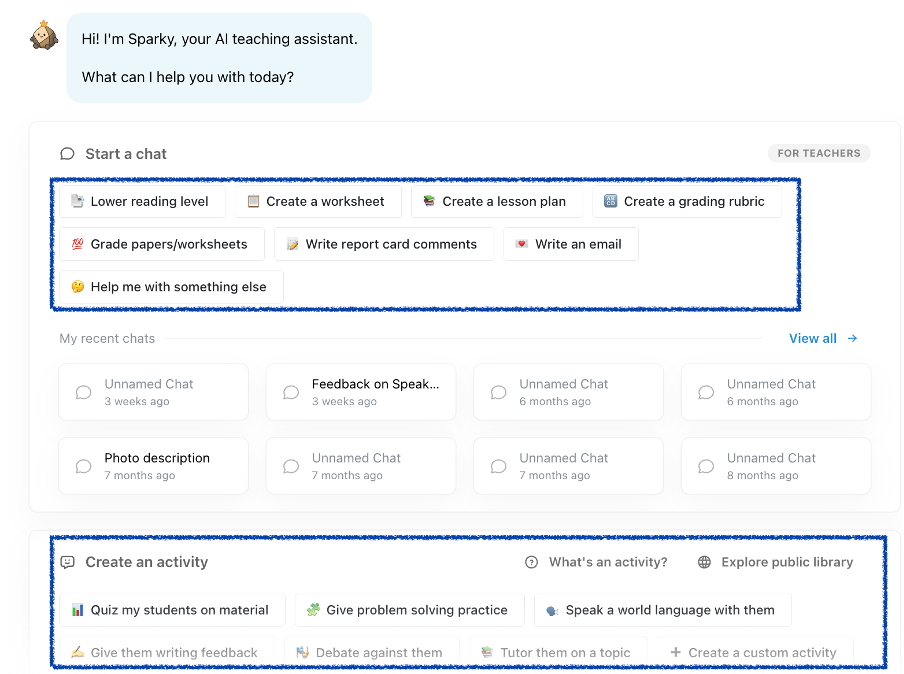
Flint is an education-focused platform that allows teachers to generate lesson materials, scaffold tasks, design quizzes, and create personalised support for students. It’s more than a generic chatbot. It’s built for the classroom, giving teachers control and oversight while students interact safely with AI-powered helpers.
What makes Flint stand out is its growing suite of teacher-friendly tools. From adaptive worksheets to reading supports and speaking prompts, it brings the power of AI into everyday teaching without the complexity. And if you are short of ideas, the public library will give you a range of activities shared by the Flint aficionados community.
Educational benefits
One of the things Flint is fabulous at is personalisation. Teachers can upload their own resources and shape how the AI responds. As for students, tasks match their reading level, language ability and prior knowledge. It also diminishes workload. Scaffolding, differentiation, worksheet creation, feedback… all the time-consuming bits become faster to produce and easier to refine.
You can then keep an eye on student/AI conversations, which gives you a clear window into gaps, misconceptions and what needs reteaching. And because learners can practise independently (through text, feedback or even voice chat), you naturally see an improvement in confidence and autonomy.
For teachers, the impact is huge. Flint can create scaffolded texts, translation supports or guided speaking prompts at the click of a button, giving every learner the right level of challenge at the right moment. And if you teach maths or science, Flint can just as easily generate differentiated problem sets, step-by-step explanations or guided practice on tricky concepts to support every learner.
Practical application
Flint is a great allrounder when it comes to creating resources or activities. But I especially love its ability to allow our pupils to practise speaking a world language.
Sign into your account. With SSO it is super easy and works nicely with either Google or Microsoft. Once in, select ‘Speak a world language with them’

The bot is super useful and will point you in the right direction if unsure of what to exactly prompt.
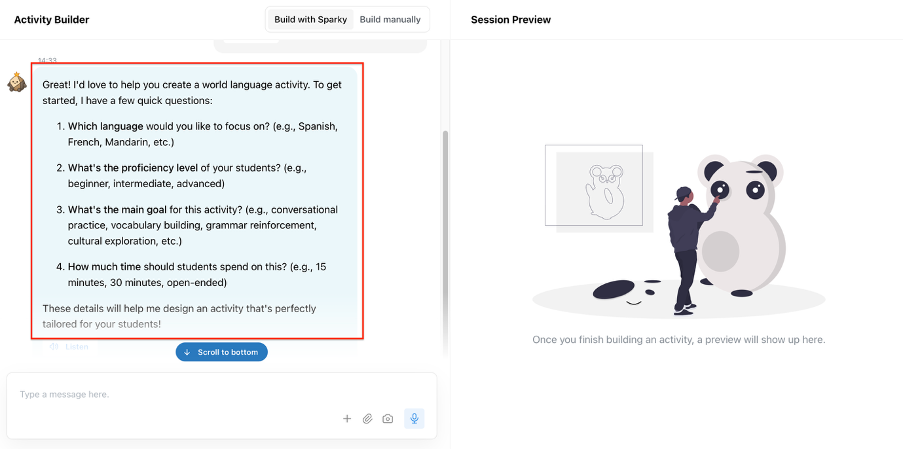
Try to be as specific as possible: Is it a picture description practice? Is it answering questions on a topic? Is it a role play? Upload questions, pictures, mark scheme if you have one and be precise about what outcome you want, especially about the type of feedback you want the pupils to receive. Once set, you can practise as a pupil in the sandbox. If not quite right, tweak. It will be worth it. The bot will be inquisitive because it’s trying to fine-tune every detail, helping you build the best possible activity before you share it with pupils.
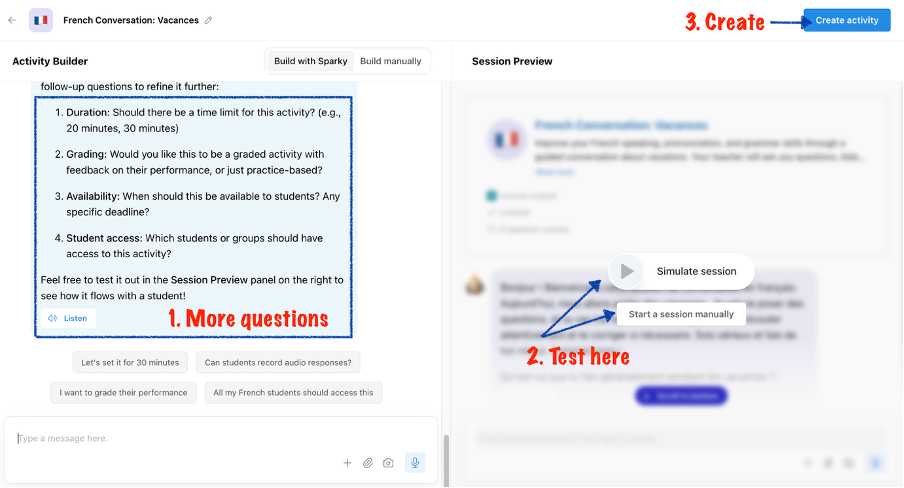
I prefer to start the session manually to be really responding like if I was a pupil. When happy, create and share with your pupils.
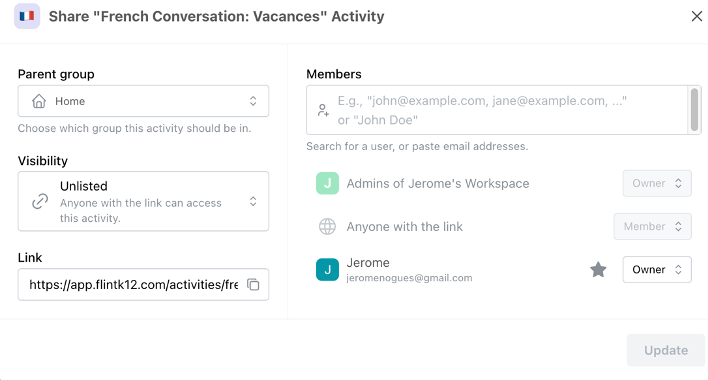
Let the magic happen in class or for homework, and check the detailed data once completed to take the next steps.
Considerations and tips:
AI is brilliant support, but it’s not a replacement for solid pedagogy or the relationships that make learning stick. Think of Flint as a helpful assistant. It’s also easy to slip into over-reliance, so keeping that balance matters. The pupils need genuine interactions, peer collaborations and rich discussions! That’s why regular reflection is key. What’s working? Where are pupils getting stuck? What needs tweaking next lesson? Make sure every output works for all pupils, including EAL, SEN and multilingual learners, and adapt the scaffolding so everyone can access the learning confidently.